Tuesday, June 18, 2024

Insider Tips: How to Score the Best Car Insurance Discounts


There are many car-related expenses that are beyond your control. These can include registration fees, fuel, tires, and repair costs.

But one essential car-related expense that you can control is car insurance. Research shows that the average American spends between $1,700 and $1,900 per year on vehicle insurance.

This means that you could be paying around $140 to $160 per month for your auto insurance.

With the rising cost of living, many of us can do with saving dollars wherever we can. In this article, we take a closer look at the discounts you could qualify for to help you save money on your auto insurance.

car insurance discounts

Loyalty Based Car Insurance Discounts

If you buy more than one insurance product from an insurance company, you could be eligible for some fairly substantial discounts.

Multi policy discount

Average savings: 5%

If you have two or more products with an insurance company, then you can look forward to receiving a discount on these policies.

For example, you may want to take out car insurance and home insurance with the same company, in which case you will be eligible for a discount.

Be aware that some companies only offer discounts on one policy in the bundled package, so be sure to check where the discount will be applied and how much it will be.

Multi car discount

Average savings: 12%

When you have more than one vehicle listed on your policy, you can often look forward to an excellent car insurance discount.

Although you can add any car to your auto insurance policy, the one requirement to receive this discount is that all the cars that you have insured under one policy are kept at the same address.

Continuous insurance

Average savings vary

Some car insurance companies may offer you a good rate if you have had unbroken car insurance—even if you have changed from one company to another.

The actual discount that you are likely to receive will depend on how long you have been paying your car insurance premiums without a break.

Driver-Based Car Insurance Discounts

You can get some of the best car insurance discounts if you maintain a clean driving record.

Key Point: What Is a Clean Driving Record?

In the U.S., a clean driving record is one without any at-fault car accidents, traffic-related convictions, points, or moving violations. It is also an insurance record that is free from any recent claims.

If you have any points for moving violations or traffic-related convictions on your record, then you may need an SR-22 certificate or FR-44 certificate to get car insurance.

With an SR-22 or FR-44 certificate, you will pay more for car insurance. However, you could still be eligible for some substantial discounts, with some of the discount deals in this guide.

Safe driver discount

Average savings: 20%

If you have been accident-free for between three and five years, you can qualify for an auto insurance discount.

Usually, your car insurance company will apply this discount automatically either at the policy start date or at your renewal date if you have remained accident-free throughout the year.

Teen driver discount

Average savings: 20%

Since teens tend to be inexperienced behind the wheel, when you add them to your insurance policy, your car insurance bill may increase substantially.

For this reason, car insurance companies will reward your teen for learning how to drive well.

When your teen enrolls in and completes a defensive driving course, this will be rewarded with lower car insurance rates.

Good student discount

Average savings: 25%

For young drivers, rates are particularly high until you turn 25. However, if you are able to maintain a B average, you will qualify for special car insurance discounts as high as 25%.

This is known as a good student discount. To qualify for this discount, you will need to be a full-time student and provide proof of your grades to your insurance company.

Defensive driving discount

Average savings: 15%

Insurance companies reward drivers who take defensive driving lessons from a certified or registered school. These classes teach drivers how to handle any road, traffic, and weather conditions to help them avoid accidents.

A defensive driving course costs approximately $25 and will take a few hours to complete. The savings that you will enjoy far exceed the cost of taking this course.

Away from home student discount

Average savings: 25%

You could qualify for great auto insurance discounts if you have more than one car, and one of them is being used by your child who is attending college more than 100 miles away.

Be sure to ask your insurance agent about this discount during your next renewal.

Senior driver discount

Average savings: 10%

Drivers who are over the age of 55 may qualify for additional discounts on their car insurance premiums.

Some auto insurance companies will also reward drivers who are over the age of 55 for taking a mature driver improvement course online.

This course covers similar topics to a defensive driving course and helps you to improve your driving according to the latest defensive driving techniques.

Military and federal employee discount

Average savings: 15%

If you have serviced the United States through military, navy, or air force employment, or if you are a federal employee, you will be able to find auto insurance companies that honor your service.

Many auto insurance companies will provide discounts to active military and federal employees, as well as veterans and retirees.

Discounts for How You Quote and Buy Car Insurance

Depending on how and where you find auto insurance quotes or purchase your car insurance, you could earn some fantastic discounts.

Early shopper discount

Average savings: 3%

If you don’t need car insurance right away, you could qualify for an early shopper discount. To qualify for this discount, some insurance companies will require you to get a quote with them before your current policy expires.

Some insurers even stipulate a specific time frame during which you will need to get a quote before your policy goes into full effect. This time frame is often around seven days.

Online quote discounts

Average savings: 5%

If you ask for your car insurance quote and buy your insurance online, some insurers will offer you a discount. This discount may also apply if you accept and finalize your car insurance policy online.

Sign online discount

Average savings: 10%

If you are comfortable signing your car insurance documents online, then depending on your insurer, you may be given a good discount on your auto insurance.

Paperless and auto-billing discount

Average discount: 3%

If you opt to receive your insurance card, documentation, invoices, and statements via email or via your insurance company’s app, you could be eligible for a discount of around 3%.

Pay in full discount

Average savings: Vary

This is one of the most common car insurance discounts. If you pay your car insurance premiums in full for the year, most insurers will offer you a substantial discount. It’s important to note that this discount varies from one insurer to another.

Automatic payment

Average savings: Vary

If you are unable to pay your insurance premiums in full up front, some insurers will offer you a discount for setting up an automatic payment every month from your checking account, credit card, or debit card.

Vehicle Based Car Insurance Discounts

While new cars, cars with advanced safety features, and electric vehicles can be expensive to buy, you can help to offset the cost of these vehicles with a discount from your insurance company.

Alternative energy discount

Average savings: 5%

If you drive an environmentally friendly car, you can save money on both gas and your car insurance. Some insurance companies will provide you with a discount irrespective of whether you own or lease your car.

Anti-theft devices discount

Average savings: 15%

An anti-theft device can save you money on your auto insurance costs, while also helping you to feel safer. There are many insurers who will offer discounts if you have protective devices such as alarms or steering wheel locks.

New car discount

Average savings: 10%

Most insurance companies will offer you a discount if your car is less than three years old. However, there are often specific conditions attached to this discount.

For example, you may need to have a car that is the current, or previous year’s model, and you may need to be its first owner.

Safety equipment discount

Average savings: 10%

Most car insurance companies will offer you a discount for having specific safety equipment installed, such as dual airbags.

Anti-lock brakes discount

Average savings: 10%

Most major insurers will require you to have an anti-›lock braking system (ABS) installed by an approved technician or provider, in order for your vehicle to qualify for this discount.

Passive restraint discount

Average savings: 30%

Passive restraint equipment includes front airbags and seatbelts. Since 1983, all new cars have been fitted with this equipment.

For this reason, most insurance policies will feature this discount if your car was manufactured after 1983.

If you don’t see this discount on your car insurance quote, be sure to speak to your insurance agent about it.

Daytime running lights

Average savings: 3%

Similar to your nighttime headlights, daytime running lights are considered to be a good way to reduce collisions. While car manufacturers do not always equip cars with this feature, having them could earn you a discount on your car insurance premiums.

Usage Based Car Insurance Discounts

There are many insurers that will reward safe driving through monitoring gadgets that are fitted to your car and track your driving habits.

These devices track driving habits such as:

  • Speeding.
  • Hard braking.
  • Mileage.
  • Time of day driven.
  • Trip.

Based on the data collected over six consecutive months, your car insurance company will decide whether you are eligible for a usage-based discount or rewards program.

The discounts can be substantial and will often amount to anything up to 30% of your car insurance premium.

Affiliation Discounts For Auto Insurance

Depending on where you work and the type of position you hold, you may be eligible for discounts on your car insurance. These can often be bundled with other insurance discounts such as a paid in full discount, safe driving habits, automatic payments discount, and so forth.

Employer-based discounts

Average savings: Vary

Some employers are able to negotiate bulk auto insurance rates for their employees. If your company does this, you should be able to enjoy a discount on your car insurance while you work there.

Even though your employer has negotiated a good deal, we do recommend that you still shop around for the cheapest car insurance quotes, as you may be able to secure a lower rate elsewhere. To start the process, simply head to the top of this page and enter your zip code.

Profession-based discounts

Average savings: Vary

Many major insurers will offer perks to policyholders who work in a specific field or industry. For this reason, the potential savings can be significant.

The types of professions that do qualify for discounts vary from one insurer to the next, but teachers, doctors, and first responders are often included.

Organizational discounts

Average savings: vary

Some insurance companies offer membership discounts to specific organizations. These organizations vary from insurer to insurer.

For example, some insurers will provide discounts to policyholders who have a membership with the AAA, or hold an AARP card.

Other insurers will give you a discount if you belong to an alumni association.

How to Get Cheap Car Insurance Discounts

Car insurance discounts are not always straightforward. Each auto insurance company has its own set of discounts that it can offer you.

A good way to approach this is to use this car insurance discounts guide to understand where you could possibly qualify for an insurance discount, and make a list.

Once you have done that, then you can consider the factors below to maximize the savings that you can secure for your car insurance policy.

Request detailed information about discounts

You don’t need to wait until your next renewal date to check whether or not you are eligible for a car insurance discount.

Review the discounts available on your auto insurance companies website and check with a representative or insurance agent whether you qualify.

If you are planning on switching over to a new auto insurance company, you should always investigate the potential discounts and chat to an insurance agent who can confirm whether these discounts are still available.

Terms of service can change, so a discount that may have been available some time ago, may not be relevant at the time you are asking for a quote.

Consider the overall auto insurance premium cost and not just the discounts on offer

Although special car insurance discounts can save you a lot of money on your insurance premiums, remember to review the overall cost of the insurance, rather than the number of discounts you receive.

For example, an insurance company that offers no discounts, could in fact be cheaper in insurance premiums than another insurer who charges a higher premium, along with several discounts.

Call an insurance agent to get personalized coverage

Although you could lose your online purchase discount, it can be useful to speak to an insurance agent directly to discuss which discounts may be applicable to you.

If you don’t see the discounts that we have mentioned on your insurance policy documentation, then call your insurance company directly and inquire about the discounts they offer.

Check and compare insurance rates before buying a new car

It is true that some cars just cost more to insure than others. Fortunately, there are ways to check how much your car insurance is likely to be before you actually invest in a new car.

Cars with high theft rates or powerful engines, as well as cars with customized paintwork and aftermarket features, may cost more to insure.

The easiest way to get an idea of how much your new car is going to cost to insure, is to use our car insurance quotes comparison tool.

All you need to do is enter your zip code, followed by a few details regarding you, your car, and your driving history, and we will provide you with quotes from all the best car insurance companies available in your area.

Maintain a good credit profile

Having a good credit score will show your insurance provider that you have a history of paying your bills on time.

If you are someone with a good credit history, you will pay less for car insurance.

Improving your credit score if you don’t have a good history, will help you to unlock lower car insurance rates.

Raise your deductible

An auto insurance deductible is the amount of money that you will need to pay out-of-pocket before your car insurance company will pay for the cost to repair your vehicle.

For example, if you are involved in an accident and the damages to your car are going to cost $5,000 to fix and the deductible that you have chosen is $500—the insurance company will pay $4,500 towards the claim.

You will be responsible for paying the difference, or your $500 deductible.

When you first take out car insurance, you can discuss how much of a deductible you are willing to pay towards a claim.

If you settle on a higher deductible, your car insurance premium will be lower; and if you choose a lower deductible, your premiums will be higher.

Knowing which deductible to choose comes down to your personal preference and financial situation, but a higher deductible will always reduce the premium you pay.

If you are a safe driver with a clean driving record, there is less of a chance that you will need to claim. You may also be able to opt for a higher deductible if you have money available in savings should the unexpected happen.

Car Insurance Discounts You Can Get


Many things affect the cost of a car insurance policy. One way to get cheaper car insurance is to take advantage of discounts offered by your insurance company.

Though some individual discounts may seem small, they can add up. Taking advantage of multiple discounts can result in substantial savings over the course of a year.

It’s important to ask about discounts when you’re considering a new policy, renewing an existing policy, or any time you’re evaluating what you pay for car insurance. Are you saving as much as you can?

All of the insurers in our rating of the Best Car Insurance Companies offer discounts. Possible savings opportunities vary by insurer, but commonly include:

  • Good (safe) driver discount. One common discount can reward drivers for being responsible behind the wheel. This is often defined as going a specified period of time without being in an accident or being cited for moving violations like speeding or driving recklessly.
  • Student discount. Students who are enrolled in high school or college and maintain a certain average grade (typically a B or better) may be able to save money with this type of discount.
  • Anti-theft device discount. Having security devices such as an alarm or a tracking device in use on your vehicle may help you save on car insurance.
  • Paperless discount. This type of discount offers a savings for opting to receive policy documents in electronic format.
  • Military discount. Some car insurers may offer a discount to current or former members of the military.
  • Automatic payments discount. Some auto insurers offer a discount for policyholders who set up automatic premium payments. This may be done with a debit or credit card, or through an electronic funds transfer (EFT).
  • Loyalty discount. Some car insurers may offer a price break for renewing your policy.
  • Low-mileage discount. Insurers may offer a rate tailored to your driving habits, including the number of miles you drive. This may involve an app or other device that can track your driving habits.

To help you find the most savings, we’ve compiled a list of common car insurance discounts. Most auto insurers, including those in our rating of the Best Car Insurance Companies, offer discounts that fit into one of these categories:

    • Policy discounts. This may involve bundling your car insurance with your home insurance or with another type of insurance, depending on the options your insurer offers.
    • Driver behavior discounts. These discounts may be based on your driving record or your driving habits, including the number of miles you drive. Some insurers offer apps or other devices that can not only track the distance you travel, but also actions such as braking and acceleration. Some may also offer a discount for participating in a defensive driving course.
    • Driver characteristic discounts. A good student discount, which can reward full-time students with a discount for maintaining a certain average grade, is one example of this type of savings.
    • Affinity discounts. Some insurers may offer discounts to members of certain professions, like first responders, or to the membership of designated organizations, like AARP. And employers sometimes negotiate discounted rates for their employees. Members of the military and veterans may also be eligible for discounts from some insurers.
    • Vehicle-based discounts. These can include price breaks for having anti-theft devices installed or for safety features such as anti-lock brakes or airbags.

    Keep in mind that this isn’t a complete list of available discounts. Discounts and eligibility requirements vary by insurer and state. The best way to find out what’s available is to contact your insurer.

    Or, if you’re currently looking for new coverage, make sure to ask about available discounts and whether you or other drivers on your policy meet the eligibility requirements.

    Bundling or multipolicy discounts

    If you purchase two or more insurance policies from the same insurer – auto, home, renters, etc. – you may be eligible for a multipolicy or bundling discount. You may also be able to get a discount for insuring two or more vehicles through the same insurer, which is typically called a multi-car discount.

    Bundling discounts and eligibility vary by insurer, but they are among the most common auto insurance discounts available.

    The biggest advantage of bundling is the potential savings. Another benefit is the convenience of managing all your insurance policies on the same website or by calling the same customer service number.

    One drawback to bundling your car insurance is that you may not save that much. It’s possible that you will pay less overall if you don’t bundle policies, especially if you own a collectible or hard-to-insure vehicle.

    Does bundling car insurance save money?

    The average car insurance policy costs $2,068 annually, according to our analysis of car insurance rates, so it’s easy to see the appeal of lowering your premium through bundling.

    Insurers in our rating of the Best Home and Auto Insurance Bundles offer discounts of 10% to 25% or more for combining policies. But there’s no guarantee that your discount will be as significant. You’ll only know if bundling is right for you by doing your research and comparing quotes from multiple insurers.

    The Insurance Information Institute (III) recommends comparing quotes from at least three insurance companies. Many insurers will provide you with a free auto insurance quote online, over the phone, or in person with a licensed agent.

    What kinds of policies can you bundle?

    Insurers commonly advertise discounts when you bundle your auto and renters or home insurance, but you may be eligible for additional savings by bundling with other policies, including boat, motorcycle, or life insurance.

    Keep in mind that bundling options vary by company and state, so it’s a good idea to check with an insurer to learn about your options. Here’s a breakdown of some of the policies you can generally bundle together, though additional options may be available:

    CompanyPolicies
    USAAauto, home, condo, renters
    Auto-Ownersauto, home, condo, renters, motorcycle, boat, motorhome, RV, umbrella, life, business
    Nationwideauto, home, condo, renters, boat, life, motorcycle
    State Farmauto, home, condo, renters, life
    Geicoauto, home, condo, renters, motorcycle, mobile home
    Allstateauto, home, renters, condo, motorcycle, boat, ATV, life, umbrella
    American Familyauto, home, renters, condo, motorcycle, snowmobile, boat, ATV, RV, life, umbrella
    Farmersauto, home, life, umbrella, small business, specialty
    Progressiveauto, home, renters, boat, motorcycle, RV
    Erie Insuranceauto, home, renters, condo, motorcycle, boat, ATV, snowmobile, classic car, life, umbrella, business

    Policy renewal/loyalty discounts

    Many auto insurers will reward you with lower rates if you continue to renew your policy. If your renewal date is approaching, contact your insurance company to find out if you’re eligible for a loyalty discount.

    Regardless, it’s never a bad idea to explore other options. Even if your insurer offers a loyalty discount, it might not be enough to beat lower rates offered by other insurers.

    Paid-in-full discounts

    When policyholders pay their entire premium up front, they can often receive a paid-in-full discount from their insurer. If you’re purchasing a new policy, you may be able to see paid-in-full discounts when you complete the quote process. If you’re renewing an existing policy, contact your insurer to find out if paid-in-full discounts are available.

    Some insurers also provide auto insurance discounts to policyholders who pay their premiums quarterly or semiannually instead of monthly. If making a full payment isn’t in your budget, find out if the insurer offers other payment schedule discounts.

    Automatic payment discounts

    Many car insurance companies also reward policyholders who choose automatic payments. You can typically set up automatic payments using an electronic funds transfer (EFT) from your checking account or by setting up recurring payments using your debit card or credit card.

    Automatic payments can also be a great way to ensure your coverage doesn’t lapse, but they aren’t without drawbacks. If you choose automatic payments, you’ll need to have the funds available for withdrawal in accordance with your payment schedule.

    If the funds aren’t available, you may be responsible for fees and penalties from your bank and your insurer. It’s also possible that your insurer will cancel your policy for nonpayment.

    Paperless discounts

    Many companies entice policyholders to go paperless. Opting into a paperless feature generally means your bills and any other policy correspondence or documentation will be delivered via email, accessible online, or available through the company’s app.

    Good driving discounts

    If you have a clean driving record, meaning your driving history is free from accidents, speeding tickets, and other violations, your insurer will see you as a low-risk driver. That can earn you lower premiums in general, but some insurers also offer a good driver discount.

    You may still be eligible even if you haven’t had an accident or violation within the past three to five years, depending on the insurer.

    Usage-based insurance discounts

    Usage-based insurance (UBI) programs allow insurance companies to track key metrics, like speed, breaking, and mileage, by using a mobile app or a tracking device installed in your vehicle.

    This type of program, sometimes referred to as black box car insurance, allows an insurer to tailor rates based on your driving habits and performance. UBI programs encourage safer, smarter driving to help lower your risk of getting into or causing an accident.

    Some companies offer discounts to drivers who enroll in UBI programs.

    Defensive driving discounts

    A defensive driving course can help you become a safer driver and, depending on your insurer and where you live, it may even lead to lower car insurance rates. Many insurers reward drivers who take defensive driving courses by extending a discount once the course is completed.

    Some providers offer these discounts to all of their policyholders while others offer them only to a specific group of drivers, like seniors or teens.

    Low-mileage discounts

    The less you drive, the lower the risk to both you and your insurance provider. That’s why a lot of auto insurers offer discounts for those who drive fewer miles per year. The definition of “low mileage” varies by insurer, but if you drive fewer than 13,500 (the national average), it’s worth asking your insurer about potential discounts.

    Good student discounts

    Teen and young adult drivers generally have higher insurance rates, but students (and their parents) may be able to unlock lower rates with good grades. Most of the car insurance companies we analyzed offer discounts for drivers who are full-time students and maintain good grades.

    The definition of “good” differs by insurer, so if you think it may apply for you or a driver on your policy, then contact your insurer to find out.

    Distant student discounts

    If there is a student driver on your policy and they’re away at school, you may qualify for a discount if their car stays at home. Generally, the student must be enrolled full time and be at least 100 miles away from home, but requirements and eligibility may vary by insurer.

    Employer-based discounts

    Some employers negotiate bulk auto insurance rates for their employees. If yours does, you may be able to get a discount while you work there. Keep in mind that these discounts are tied to your employment and will likely end if you’re no longer employed.

    Even if your employer does have an agreement with a specific insurer, it’s still a good idea to look around. You may be able to find a lower rate elsewhere.

    Profession-based discounts

    Many of the top auto insurance companies offer perks for policyholders that work in a specific field. Exactly which professions qualify for savings vary, but teachers and first responders are often included.

    Organizational discounts

    This type of discount is available to members of specific organizations, the likes of which vary by insurer. For instance, some insurers will give discounts to policyholders who have an AARP card. Others may give you a percentage off if you are a member of an alumni association.

    Military and veteran discounts

    If you or another driver on your policy is a member of the military community, you may be eligible for lower rates. Many insurers offer military or veteran discounts as a way to honor those that serve.

    If this applies to you, it’s also a good idea to look into USAA car insurance, which is exclusive to members of the military community and their families. Its rates are among the lowest of those we’ve analyzed.

    Safety equipment discounts

    Vehicle safety features can protect drivers and passengers, potentially creating less risk for insurance companies. Though not all companies have safety equipment discounts, some do. If you have common safety features – e.g., airbags, anti-lock brakes, etc. – in your vehicle, ask your insurer about available discounts.

    Anti-theft feature discounts

    Much like safety features, anti-theft devices can decrease the risk associated with insuring your vehicle. Not all insurers offer this type of discount, but if you have an anti-theft system in your vehicle, it’s worth contacting your insurer to find out if you’re eligible for savings.

    New vehicle discounts

    Some car insurance providers will offer discounts for policyholders who drive new cars. While the definition of “new” varies by insurer, if you drive a car that’s less than three years old, you could earn a percentage off your premium.

    Below, you’ll find more ways to save as much as possible on your auto insurance policy.

    Shop around when it’s time to renew

    The Insurance Information Institute (III) recommends getting quotes from at least three insurance companies when looking for a new policy. Insurance rates vary widely from driver to driver and state to state, so you might be surprised to find out which company is the cheapest for you.

    One thing to remember: Be sure to get multiple quotes for the same types and levels of coverage to give an accurate comparison.

    Call an agent for personalized coverage

    Independent insurance agents can help you search for policies and find the lowest rates. And, by picking up the phone, you can talk to someone who can help you find discounts or specialized coverage that you might not be able to find online. Independent agents are not tied to a specific insurance company, so they can help with quotes from multiple insurers.

    Insurance brokers can also help you explore options across various companies. However, they cannot officially sell you the policy or bind coverage like licensed insurance agents can. They also typically charge fees.

    Raise your deductible or lower your coverage

    When you raise your deductible or lower your coverage, you get lower premiums. This strategy can be especially beneficial as your car loses value and won’t cost as much to repair. However, you’re taking a risk that you’ll have to pay more out of pocket if you are in a crash or your car is damaged some other way. 

    Maintain good credit

    Good credit can show an insurer that you have a history of paying your bills on time. As such, drivers with good credit often pay lower rates than those with poor credit. If you have poor credit, improving your score may help you lower your rates over time.

    Learn how insurers may use your credit score to calculate an insurance score to help predict the likelihood you’ll file a claim.

    Check insurance rates before buying a new car

    It’s no secret that it costs more to insure some cars than others. For example, cars with greater theft rates or powerful engines may have higher premiums. But did you know that you can check to see how a new car will affect your policy before you actually buy it?

    Before signing the paperwork, contact your insurance agent with the vehicle identification number (VIN) of the car you’re considering and they can advise on how it will impact your premium.

    Don’t pay for coverage you don’t need

    Many consumers pay for car insurance products and add-ons they don’t need. For example, if you have roadside assistance from AAA, you don’t need to pay for that coverage a second time through your insurance company.

    This can also happen with gap insurance, which ensures that you are able to pay off your loan or lease if you’re a victim of auto theft or your car is declared a total loss. Many people continue to pay for this feature after they no longer need it. It may also be automatically included in your agreement with the financing or leasing company.

    If you have reached a position of positive equity on your car loan or lease, meaning the amount you have left to pay is small, you can save money by dropping your gap insurance. Note, however, that some leasing companies require gap coverage to be in place for the duration of the lease.

    Don’t over-insure an old car

    Almost all vehicles decline in value as they age. At some point in a car’s life, buying collision and comprehensive insurance is no longer worth the expense. This is especially true if you have high deductibles on those coverages and still pay a hefty amount in premiums.

    If your vehicle’s value has declined to the point where you could replace it out of pocket without too much financial strain, you might consider removing the comprehensive and collision coverage from your policy.

    Before making this move, however, you should also consider your level of risk tolerance. If it would stress you out to remove the coverages entirely, look for a balance of cost and deductible that would make you feel comfortable. You may be able to make some changes to save yourself money without eliminating these coverages completely.

    Monday, June 17, 2024

    5 Discounts You Should Ask About When Getting Auto Insurance


    5 Discounts You Should Ask About When Getting Auto Insurance

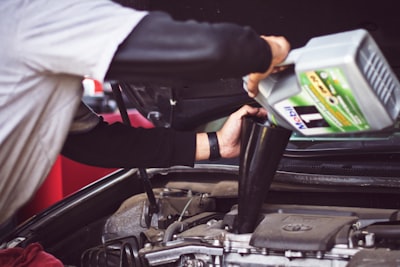
    man refilling motor oil on car engine bay

    If you are like most people, you welcome the opportunity to save money. Every little bit of money you save makes it easier to maintain your household’s budget.

    More specifically, most people welcome the opportunity to save on their car insurance. As a requirement to drive legally, drivers can’t do without insurance. Reducing auto insurance expenses is something which many policyholders inquire about.

    Many insurance carriers offer a variety of discounts for car insurance holders. The next time you are getting a quote, ask your agent about the discounts below.

    Multi-Car Discount

    Insurance companies value loyalty. They want to be responsible for all your car insurance policies. As such, they may give customers a discount if they have multiple cars on the same insurance policies. It’s called a multi-car discount. The next time you speak with your insurance agent, ask about it.

    Multi-Type Discount

    Most insurance companies offer multiple types of insurance. They may offer car insurance, home insurance, boat insurance, and health insurance. When you buy different policies from the same company, you can save money if you ask for the multi-policy discount.

    Student Discount

    In general, insurance companies consider drivers under the age of 26 inexperienced. Research shows they are more likely to get into a wreck while driving. Due to the risks of insuring these drivers, insurance companies may charge more.

    Fortunately, you may be able to decrease the cost of having a student driver if they are in college. Additionally, some insurance companies give students discounts for maintaining good grades.

    Safe Driver Discount

    If you are a safe driver, then you should ask your insurance agent about getting a safe driver discount. Companies often reward accident-free drivers by reducing the price of their policies.

    Passive Restraint Discount

    Car manufacturers are putting more safety features in cars to improve occupants’ safety. During a wreck, passive restraints work automatically to keep you safe. If your vehicle has passive restraint features, inform your insurance agent. You may be eligible for a passive restraint discount. 

    How to find the best car insurance discounts for maximum savings


    How to find the best car insurance discounts for maximum savings


    How to find the best car insurance discounts for maximum savings

    You’ve got more than enough bills to worry about, so why add car insurance costs to the table? Well, you need insurance to protect your vehicle in case of an accident. Luckily, paying insurance premiums doesn’t have to break the bank. Savvy drivers know there’s a world of discounts out there – as long as you know where to look. We’ll show you how to navigate car insurance discounts to get the best coverage without draining your wallet.

    Types of car insurance discounts 

     Car insurance discounts come in many forms, catering to different parts of your driving habits and regular life. If you want to maximize your savings, browse the options and see which ones apply to you. 

    Accident-free and safe driver discounts 

    One of the most common ways to save on car insurance is to keep a clean driving record. On average, safer drivers file fewer claims, making them less expensive for insurance companies to manage. Keeping a clean record makes you highly valuable, so you can expect car insurance discounts to incentivize the habit. 

    To qualify you for accident-free and safe driver discounts, insurance providers typically look at your driving history over a specific period, often three to five years. A clean driving record usually means you haven’t been involved in any at-fault accidents or received significant traffic violations such as DUIs, hit-and-runs, driving without a license, or excessive speeding.

    Your insurance company probably tracks your eligibility for accident-free and safe driver discounts, but you can be proactive about qualifying for and keeping those discounts. Regularly check your driving record for accuracy and take defensive driving courses to enhance your skills and qualify for additional discounts. Just be sure to check with your insurance company before taking a defensive driving course – not every course meets every insurer’s requirements. 

    Multi car or shared family car discount 

    If you have multiple vehicles in your household, like a parent’s car, a sibling’s car, or even your own, you might be eligible for a multi car discount. This discount encourages families to consolidate their insurance policies, leading to substantial savings. To determine eligibility, coordinate with your family and contact your insurance provider for more information.

    A shared family car discount, on the other hand, typically applies if multiple people share a single vehicle. For example, if you drive your family member’s car, this could be worth looking into. Note that some policies require one of the drivers to be under 20 years old, so this won’t apply in all situations.

    Nonowner auto insurance 

    Here’s a secret: even if you don’t currently have a car, staying insured can have unexpected benefits when you do decide to purchase a vehicle. Nonowner auto insurance provides continuous liability coverage for bodily injury and property damage. In other words, it’s tied to you as a driver, not a specific car. This not only protects you but will also appeal to insurance providers. It’s responsible, low-risk behavior, which leads to better car insurance discounts. 


    When I buy a car, will I qualify for insurance discounts if I’ve been on my parents’ policy? 

    In most cases, being on your parents’ auto insurance doesn’t automatically qualify you for specific discounts. Insurance providers tend to distinguish between being a listed driver on a family policy and having continuous personal insurance history. While your time on your parents’ policy demonstrates experience as a driver, it may not directly translate to discounts.

    Home and auto ownership discounts 

    Did you know being a homeowner can lower your car insurance costs? Many insurance providers view homeowners as more responsible and stable individuals, so they offer discounts to homeowners. Along with these standalone car insurance discounts, you can also bundle your home and auto insurance policies under the same provider for more savings. 

    Of course, not all insurance providers offer the same discounts or provide the best overall deal. Make sure to shop around. Compare quotes from different insurance companies, considering both the cost and the coverage. You want to strike the right balance between affordability and protection. 

    Pay-per-mile discounts 

    If you don’t drive your car often, pay-per-mile insurance might be a game-changer. This policy calculates your premium based on the number of miles you drive. This discount can significantly lower your insurance costs if you use public transportation or work from home. It’s a win-win for both environmentally conscious drivers and those seeking cost-effective coverage. Make sure you understand the policy, though. Exceeding your mileage limit could lead to unexpected premium increases. Stay mindful of your driving habits! 

    Good student discounts 

    If you take your grades seriously, you can expect more than just a boost to your GPA. Many insurers offer car insurance discounts for students who demonstrate responsible behavior with good grades. This is a great incentive for young drivers to excel academically and enjoy the financial benefits of being a diligent student. 

    Anti-theft device discounts 

    Investing in the security of your vehicle can lead to significant savings, as well as peace of mind. If your car has anti-theft devices like alarms, steering wheel locks, or GPS tracking systems, insurance companies may offer discounts. Tell your insurance provider about any devices installed in your vehicle and ask if any of them qualify you for a discount.  

    Membership discounts 

    Belonging to certain professional organizations, alumni associations, or clubs can unlock exclusive car insurance discounts. These memberships often signify responsible and community-oriented behavior – which insurance companies appreciate. Check with your workplace, trade union, alma mater, or professional club (like the American Bar Association) to see if they partner with any insurance providers.

    12 Hidden Discounts on Car Insurance


    12 Hidden Discounts on Car Insurance

    money in the piggy bank

    On average, car insurance in the U.S. costs drivers $1,771 annually, or $148 monthly. Insurers determine the cost by looking at your age, gender, the make and model of the car you drive, age, and driving record. If these factors indicate you’re at higher risk than other drivers, you’re likely paying much more than the average.

    Fortunately, many methods of getting a discount on payments are available to you.

    Most people know they can get discounts by:

    • Taking a defensive driving course
    • Installing anti-theft devices in your car
    • Installing safety equipment in your car
    • Establishing a long-term record with one insurance carrier (having a policy with them for roughly three years or more)
    • Documenting a history without accidents
    • Having a good to excellent credit history

    But many ways to receive a discount on your car insurance aren’t widely known. These are a kind of hidden cost-cutting underground! Here are 12 secret discounts that can reduce your car insurance payments from our car accident lawyers at Finkelstein & Partners.

    Good student discount

    Students in high school or college can save on their car insurance by maintaining at least a B average. Many carriers also require the students to be between 16 and 24. The average savings range from 8 percent to 25 percent.

    Low annual mileage discount

    You may receive a discount if you drive fewer miles than the average car driver. The definition of low annual mileage varies depending upon your insurance carrier but ranges from 7,500 to 15,000 miles annually. If your office has shifted to work from home status, you’re retired, or you’re a student who drives infrequently—or you don’t drive much for any other reason—ask your carrier about a discount.

    Marriage discount

    Car insurance premiums are determined, more than any other factor, by risk. Statistics show that married couples get into fewer accidents than single folks do. As a result, married people pay from 4 percent to 10 percent less on car insurance.

    Higher education discount

    Higher education makes a big difference in car insurance rates. The average car insurance payment for a driver with a high school diploma is nearly $6,000, far more than the average for someone with a bachelor’s degree. One potential reason is that younger people, in their teens and early 20s, get into more accidents than people outside of that age group and, as a result, pay higher premiums than older people. If you’re still in your teens, you’re not likely to have a B.A.! But whatever drives the statistics, the lesson is clear: if you have one or more college degrees, you’re likely to pay less in insurance premiums.

    Membership discounts

    Membership in associations and groups can significantly affect your car insurance, reducing them by about 10 percent to 15 percent. What kind of groups? Many, including well-known national ones like the American Automobile Association (AAA) and the American Association of Retired Persons (AARP).

    Many professional associations, such as the American Library Association (ALA), confer discounts to members. So do some alumni associations, fraternities and sororities, credit unions, and other associations and memberships. If you belong to something and are in doubt, ask your insurance carrier!

    Alternative energy discount

    The use of electric cars is growing. If you drive an electric vehicle, a hybrid, or one that uses alternative fuels, an increasing number of insurance carriers will give you a discount on that car’s insurance policy. Some insurance companies also discount drivers who rent or lease an electric or alternative energy vehicle.

    Homeowner discount

    If you own your own home, you could get a discount. That’s true even if you don’t get the same company’s homeowners insurance.

    Farm vehicle use discount

    Using your car primarily on the farm makes you eligible for a discount with many carriers. Why? A vehicle driven around a farm is unlikely to run into traffic that would cause an accident!

    In addition to the above methods, which insurance company you choose, what policies you buy, and how you pay them can significantly affect your costs.

    Bundling policies

    One of the simplest and most convenient methods of reducing car insurance costs is having the same carrier take care of all or most of your insurance needs. For example, if you have car and homeowners (or renter’s) insurance, buying both policies with the same insurer can save you from 6 percent to 26 percent on premium costs. Don’t overlook bundling all your policies to save on car insurance, such as boat insurance, motorcycle insurance—any insurance you have.

    Paying in full

    Insurance carriers will give you a discount if you pay in full (by year, half-year, or quarter) rather than monthly. The discounts range from 6 percent to 14 percent. These discounts don’t stem from your risk category or driving behavior but from cost savings to the insurer itself. It costs them more if they have to bill you and process payments every month.

    Conducting business online

    Similarly, insurers have fewer costs if you conduct business with them online. If you sign up to go paperless, they don’t have to send you paper bills or paper policy renewals and save on paper, postage, and labor. If you renew, pay, and conduct any other car insurance business through a phone or computer, you’re helping them save on costs. As a result, many carriers offer a discount for going paperless, paying, and renewing online.

    Advance purchase of car insurance

    Surprisingly, many insurers will also offer a discount if you renew your policy early and pay it. This differs from paying in full; it’s paying early before your existing policy expires. Most insurers who offer this discount want you to renew from one to two weeks before the expiration date. Discounts range from 2 percent to 15 percent.

    Frequently Asked Questions

    Can I get a discount based on where I work?

    It’s possible! Insurer carriers often offer discounts to employers, such as the military, Federal and state agencies, school districts, universities, and so on. The best thing to do is to ask your employer or call your insurance carrier.

    If your employer offers membership opportunities to certain credit unions or membership organizations, they can also offer discounts on car insurance. It pays to look into every avenue.

    Is there anything else I can do to reduce my car insurance costs?

    Knowledge is power. Insurers base car insurance rates on the make and model of the car, your age, your gender, your car’s age, the number of miles driven, and so on. Some factors are beyond your control (like age and gender), but many are within your control.

    If you can reduce the miles you drive by taking public transportation or working from home, check with your insurance carrier to see if it would lower your rates.

    Suppose you’re driving an expensive sports car or a car with higher than average repair costs, for example. In that case, your insurance costs may increase, too, simply because insurers keep tabs on how often vehicles (by make and model) are in accidents and how much they have to pay out in claims for each make and model.

    If you’re in the market to purchase a car, research the cost to repair the cars you’re interested in and the cost to insure. There can be a big difference between a workday car like a Honda or Ford and a Ferrari.

    The insurance costs can also decrease if you reduce coverage or get a larger deductible. Most states mandate a minimum coverage, but if you’re carrying more than the minimum, you may be paying more than you need to. The deductible you pay out of pocket in an insurance claim to your carrier. Most insurance policies allow you to choose. If your deductible is currently $100 or $500, your costs may decrease if you raise the deductible. Be sure to check with your carrier.

    Finally, be a savvy shopper for insurance, just as you would be for everything else. Prices can vary from insurer to insurer. Get car insurance price quotes from at least three carriers to see what your costs would be.

    Why does my son pay much more in insurance than my daughter?

    Insurance companies pay keen attention to overall driving records by factors such as age and gender (and many other factors). Statistics from the U.S. Department of Transportation’s Fatality Analysis Reporting System (FARS) are analyzed periodically by the Insurance Institute for Highway Safety (IIHS).

    The most recent statistics show that male drivers accounted for more than 70 percent of deaths in passenger vehicle accidents, while female drivers accounted for less than 30 percent. As a result, insurers will charge more for insurance premiums for male drivers because there is a higher probability of paying out an insurance claim.

    Similarly, younger drivers are more likely to cause an accident for various reasons, including inexperience in driving, inexperienced judgment, and other factors. Men under 25 pay the highest premiums.

    That isn’t to say that an individual isn’t a perfectly prudent driver, of course, but insurance companies look at aggregates. The discounts mentioned here can reduce individual policy costs.

    What kind of anti-theft devices and safety devices lowers insurance costs?

    Anti-theft devices

    Insurance companies will give you a discount for anti-theft and safety devices installed in the car. If someone steals your vehicle, you may have to pay a claim, which costs the insurer money. If you hinder or stop the theft of your car through security devices, you get a discount!

    Among the devices that can help you receive a discount are the following.

    • Car alarms – Audio devices sound off when thieves tamper with the car. Simple and effective for the most part
    • Ignition kill switches – As the name implies, these don’t allow the car to start. These are one of the least expensive devices to install.
    • Steering wheel locks – These lock the steering wheel so thieves can’t drive the car.
    • Armored collars – These protect the car’s wiring around the steering column. Result: Thieves can’t hotwire your car.
    • Floorboard locks – Are placed on the floorboard and will make both brake and gas pedals non-functional, so thieves can’t drive the car.
    • Hood locks – Lock the car’s hood and prevent opening, so a thief can’t get to the security system to disable the battery.
    • Tire locks are similar to boots placed on cars with excessive parking tickets, making the vehicle impossible to drive. Unlike other methods, thieves can see them before entering the car, which can deter theft.

    In addition, some devices that make the cars easier to trace will earn you a discount.

    • Vehicle tracking system – These are similar to GPS systems. One significant difference: They automatically alert the police or other law enforcement, who can trace them.
    • Window etching – This etches the Vehicle Identification Number (VIN) on the window. VINS are usually in a less visible place than a window. This visual deterrent makes cars easier to trace and the VIN harder to remove. 

    Safety devices

    Insurance companies also offer discounts for safety devices such as conventional GPS, airbags, and rear-view cameras. If you do not currently have these, check with your insurance carrier about potential discounts vis-à-vis the installation cost.

    Your car insurance discounts guide for 2024


       Your car insurance discounts guide for 2024


    Key points

    • Most insurers offer car insurance discounts to help lower your auto insurance rates.
    • You might qualify for discounted car insurance based on your policy decisions, driver profile, vehicle and driving habits.
    • Discounts for car insurance range in value, with some offering as little as a 1% break while others may save you up to 40%. 

    The price of consumer goods and services has been on the rise, and car insurance is no exception. The index for motor vehicle insurance has increased by 15% since March 2022, according to the U.S. Bureau of Labor Statistics’ Consumer Price Index.

    Most of the best car insurance companies offer at least a few discounts, and if you’re eligible for them, you may be able to secure a more palatable rate. 

    Whether you’re shopping for a new car insurance company or reviewing your current policy, here are some of the most common car insurance discounts to be on the lookout for. 

    Type of car insurance discounts available

    Every insurer in our cheapest car insurance companies analysis offers multiple ways for qualified drivers to reduce their rates. 

    What type of auto insurance discounts are you eligible for? Each insurer has its own unique set of insurance discounts and eligibility requirements, but most discounts fall into one of these five categories: 

    • Policy-based discounts
    • Payment discounts
    • Driver profile discounts
    • Driving behavior discounts
    • Vehicle-based discounts

    Policy-based car insurance discounts

    The most common policy-based discounts include:

    • Bundling discount. Also known as a multi-policy or multi-line discount, a bundling discount is available to drivers who purchase car insurance as well as an additional type of coverage from the same company. 

      Bundling home and auto insurance can save you an average of 14%, according to our analysis of rates. You can also bundle car insurance with other types of coverage, such as renters insurance, motorcycle insurance or RV insurance. 
    • Multi-vehicle discount. Insure multiple vehicles and you can usually get a car insurance discount. Most insurers require applicants to be family members that live in the same household  — spouse, parent, child, etc. — but some extend this discount to unmarried couples or partners. Savings typically range from 8% to 25%.
    • Loyalty discount. Recognizing that many customers shop around for the best insurance prices every couple of years, some insurers provide discounts if you stay with them for a set amount of time. While these can sometimes offer good value, you should still shop around periodically to ensure you’re getting the best rate.

    Payment car insurance discounts 

    How you pay your bill — and how often — can also help you score some savings. These discounts reward you for certain payment practices. 

    • Pay in full discount. Many people choose to pay their car insurance premium monthly, but opting to pay in full for six or 12 months can earn you a discount — between 6% and 14% on average — with some insurers. You may also be able to save on monthly processing fees.
    • AutoPay discount. Opting to have your car insurance payment automatically deducted from your bank account can qualify you for an AutoPay discount with some insurance companies. As a bonus, it also negates the risk of your policy being canceled because you forgot to pay your bill.
    • Paperless discount. If you opt to have your billing statements and policy documents straight to your inbox rather than through the mail, you may qualify for a discount. Switching to paperless also makes it easier to keep up with your proof of insurance and access the terms of your policy. Discounts vary across insurers, but we found an average discount is about 3%.

    Driver profile discounted car insurance

    Driver profile discounts take into account who you are as a policyholder. Factors used can include your age, academic status, military affiliation or organizational affiliation. 

    • Military discount for car insurance. Many insurers reward members of our armed forces with discounts specifically for active duty, reserve and retired military members. If you or someone on your policy is a military member, ask your insurer if it offers a discount. If not, shop around and see if other insurers offer discounts on car insurance or more competitive rates based on your military affiliation. 
    • Car insurance student discount. This discount acknowledges students aged 16 to 25 who maintain good grades in high school and/or college. To qualify, most insurers require students to maintain a “B” grade average or higher. Discounts for car insurance vary but typically fall between 8% and 25%. Many insurers offer this discount, including Nationwide, Travelers and Geico, among others.
    • Car insurance discounts for seniors. Some insurers offer discounts on car insurance for drivers who are 55 or older.  Senior drivers often see higher rates as they enter their 70s, so if you or someone on your policy is in that age group, ask about available discounted car insurance.
    • Affiliation or organizational discounts. Some insurers extend discounts to policyholders that are affiliated with a specific organization, such as an employer,  professional association or even your alma mater. For instance, Geico partners with alumni associations, college conferences and student organizations to provide insurance discounts to members.

    Driving behavior car insurance discount

    Insurers base a lot of decisions on your habits behind the wheel, and if you’re a good driver or practice other safety habits, that may translate to a discounted car insurance.

    • Good driver car insurance discount. Many insurance companies reward policyholders who go a specific amount of time without an accident or moving violation on their record. If that sounds like you or someone in your household, it’s a good idea to see if you qualify. The terms of the discount will vary from insurer to insurer. 
    • Accident-free discounted car insurance. To your insurance company, going accident-free for a set period of time means you’re a lower risk when it comes to claim payouts. That driving history can earn you a lower rate, though the exact discount and accident-free period requirements vary by insurer. 
    • Usage-based insurance discount. Usage-based insurance (UBI) programs allow insurers to monitor your driving habits, including speed, braking and distance driven and base your rate on the information collected. Data is usually collected through a mobile app or other system. Satisfactory driving habits can typically score you a discount between 5% and 40%. For example, if you enroll in State Farm’s Drive Safe & Save program, you can save up to 30%.
    • Driving course car insurance discounts. Driving courses can help you improve your habits behind the wheel, and many insurers entice you to complete them by offering a discount. There are numerous driving course discounts available for different types of drivers. Some insurers offer them to drivers of any age, while others may extend the discount to teens or senior drivers who complete specific courses. 

    Vehicle-based car insurance discounts

    It’s not just how you perform behind the wheel that can earn you lower car insurance rates. You may also be able to snag a discount when your vehicle meets certain criteria or has certain features. 

    • New car discount. If you’re driving a car that is less than three years old, you may be able to save with a new car discount. Several insurers, including Travelers, offer this discount. Typical car insurance discounts range from 10% to 15% but, like eligibility requirements, will vary by insurer. 
    • Anti-theft car insurance discount. Vehicle thefts have been on the rise since 2019, according to a recent report by the National Insurance Crime Bureau, and that can be a costly trend for insurers. Many insurers offer discounts for insuring a vehicle with anti-theft devices, such as GPS tracking, vehicle recovery systems and audible alarms. Discounts range from 5% to 25% on average for comprehensive coverage.
    • Safety features discounted car insurance. Safety features in cars have improved dramatically over the last two decades and now include plenty of technology that makes it safer to be on the road. Features like airbags, anti-lock brakes, automatic seatbelts, and daytime running headlights may help you save. 

    7 ways to lower the cost of car insurance

    Discounts on car insurance aren’t the only way to lower your premium.  Here are more ways to cut your car insurance costs. 

    1. Shop around

    Shop around and compare car insurance quotes to ensure you find the cheapest rate and best coverage for your needs. That’s true whether it’s your first time shopping for insurance or if you’re already insured and considering making a switch. 

    2. Increase your deductible

    Your deductible is how much your insurer will deduct from a claims check for a covered incident. A jump from a $500 to $1,000 or $1,500 deductible brings down your rate, but make sure you’re comfortable covering more for repairs yourself if you make a claim. 

    3. Decrease your limits 

    Insurance limits refer to how much your insurer will cover for a claim. Reducing them decreases the financial responsibility of your insurers and thus results in lower rates. However, do so with caution. Reducing your limits can put you in financial jeopardy if you cause an accident and the cost of damages for bodily injury exceeds your limit, you can be on the hook for the difference. Most states also require a minimum amount of coverage limits by law.

    4. Drop unnecessary coverage 

    Maybe your vehicle is older now and the cost of collision and comprehensive insurance is no longer justified. Or maybe you recently paid off your car loan but forgot to cancel your gap insurance policy. Either way, taking inventory of your existing policy and current needs can help you determine if you can cut some types of coverage. Of course, always make sure the coverages you plan to cut aren’t necessary to meet state or lender obligations — or to maintain your financial security. 

    5. Consider insurance costs when buying a vehicle

    Some vehicles are more expensive to insure than others, so factor this in when purchasing. Before you hit the car lot, get online quotes for an insurance policy on the vehicle(s) make and model you’re considering. 

    6. Switch to pay-per-mile insurance

    If you typically walk, cycle or rely on public transportation to get where you’re going — or you simply aren’t behind the wheel often — consider pay-per-mile coverage. This type of coverage bases your rate on miles driven, meaning you can save if your car is parked more often than not. 

    7. Improve your credit

    Some insurers include a credit check when developing a policy premium as a method of risk assessment. Drivers with higher credit scores may qualify for discounted car insurance rates, as insurers see them as less of a danger. Paying your bills on time, reducing debt and lowering your credit utilization rate can all help improve your score.

    Insider Tips: How to Score the Best Car Insurance Discounts

      Insider Tips: How to Score the Best Car Insurance Discounts There are many car-related expenses that are beyond your control. ...